No – a nutritionist cannot write you a prescription for any medication. Only licensed medical providers have the legal authority to prescribe drugs. Under U.S. law, that means doctors (MD or DO) and certain advanced practice clinicians (like nurse practitioners or physician assistants under state rules) can give prescriptions. Nutritionists – even those with advanced degrees – are not medical doctors. They focus on food, diet, and wellness, not on pharmaceutical treatments.
Who Can Legally Prescribe Medications?
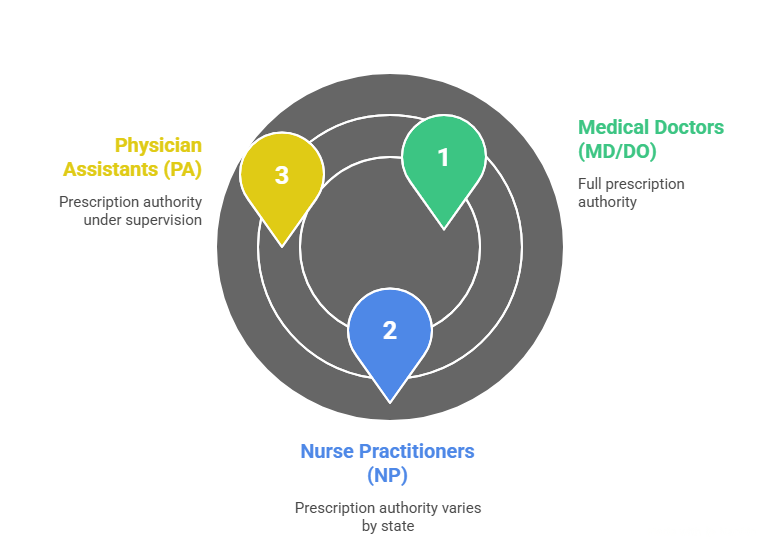
Legally, prescriptions are restricted to medical professionals. In the United States, the providers who can write prescriptions include:
- Medical Doctors (MD) or Doctors of Osteopathic Medicine (DO): Fully licensed physicians can prescribe any appropriate medication.
- Nurse Practitioners (NP): In most states, these advanced practice nurses may prescribe medications (the specifics vary by state).
- Physician Assistants (PA): PAs can prescribe many drugs under a doctor’s supervision, subject to state regulations.
Other specialists (like dentists or optometrists) may prescribe within their scope, but a nutritionist – who is not a medical professional – is never on this list. Federal and state laws call this prescriptive authority, and nutritionists do not have i.
Nutritionist vs. Dietitian: What’s the Difference?
Before diving deeper, it helps to understand the titles. A registered dietitian (RD or RDN) is a nutrition professional with strict credentials: a relevant bachelor’s or master’s degree, a supervised internship, and a national exam. Dietitians are licensed and can even provide medical nutrition therapy for illnesses (though still cannot prescribe drugs).
By contrast, a “nutritionist” is a very broad term and isn’t consistently regulated. In many states, anyone can call themselves a nutritionist, even without formal training. (Some states use titles like “licensed nutritionist,” but even then, that license does not include medical prescription rights.) In short, while a dietitian’s training is standardized, the title “nutritionist” can range from a well-qualified specialist to an enthusiastic self-learner. In all cases, however, neither dietitians nor nutritionists have the power to prescribe medication.
Nutritionists’ Scope: What They Can (and Can’t) Do
Nutritionists play a valuable role in health by guiding food choices and lifestyle. Here’s what they can do:
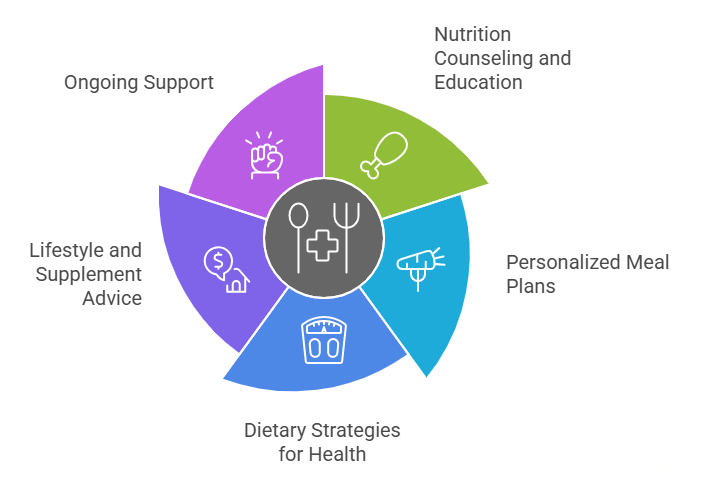
- Nutrition counseling and education: A nutritionist assesses your eating habits and health goals, then teaches you about nutrients, portion sizes, and healthy eating.
- Personalized meal plans: They can develop individualized meal plans and recipes to help you reach goals (like weight loss, muscle gain, or better blood sugar control).
- Dietary strategies for health: For conditions like diabetes or high blood pressure, a nutritionist can suggest dietary approaches (e.g. low-carb or low-sodium diets) to support your treatment.
- Lifestyle and supplement advice: They often recommend vitamins or dietary supplements if there are nutrient gaps, and coach you on healthy lifestyle habits overall.
- Ongoing support: A nutritionist can help you monitor progress, keep you motivated, and adjust your nutrition plan as needed.
Essentially, nutritionists work within the realm of food and wellness. They are experts at understanding how diet affects the body and can address many health concerns through nutrition alone.
However, there are clear limits to what they cannot do:
- Prescribe medications: Nutritionists cannot write prescriptions for any drugs (whether it’s insulin for diabetes, a weight-loss medication like Ozempic, or any other prescription).
- Diagnose medical conditions: They cannot diagnose illnesses or conditions – that is the job of a medical doctor.
- Provide medical treatments/procedures: Nutritionists are not trained to perform medical procedures (like injections, lab tests, or surgeries).
- Serve as a substitute for medical care: If you have a health issue that might require medication or a medical intervention, you must see a physician. A nutritionist will refer you to a doctor for any prescription or diagnosis.
In summary: nutritionists can guide you on what to eat, but they cannot treat diseases with medications. Writing prescriptions is a medical act, and only doctors (or NPs/PAs under law) can do that.
Working with Healthcare Teams
The key takeaway is to use each health professional’s strengths. A nutritionist can develop an excellent diet plan to support your health, but if you need medication (for example, to treat high cholesterol or diabetes), you’ll need to see a doctor. In practice, doctors and nutritionists often collaborate: your doctor handles prescriptions and medical care, and your nutritionist helps implement a healthy diet that complements that treatment.
Summary
Nutritionists are valuable for food and lifestyle guidance, but they cannot prescribe medicine. Always rely on a licensed physician or other qualified prescriber for any medication. For medications or diagnoses, make an appointment with your doctor. For personalized eating plans and nutrition support, a nutritionist or registered dietitian is the right expert. By working together, you get a complete care plan – medicine from your doctor, and diet plus lifestyle support from your nutritionist.